



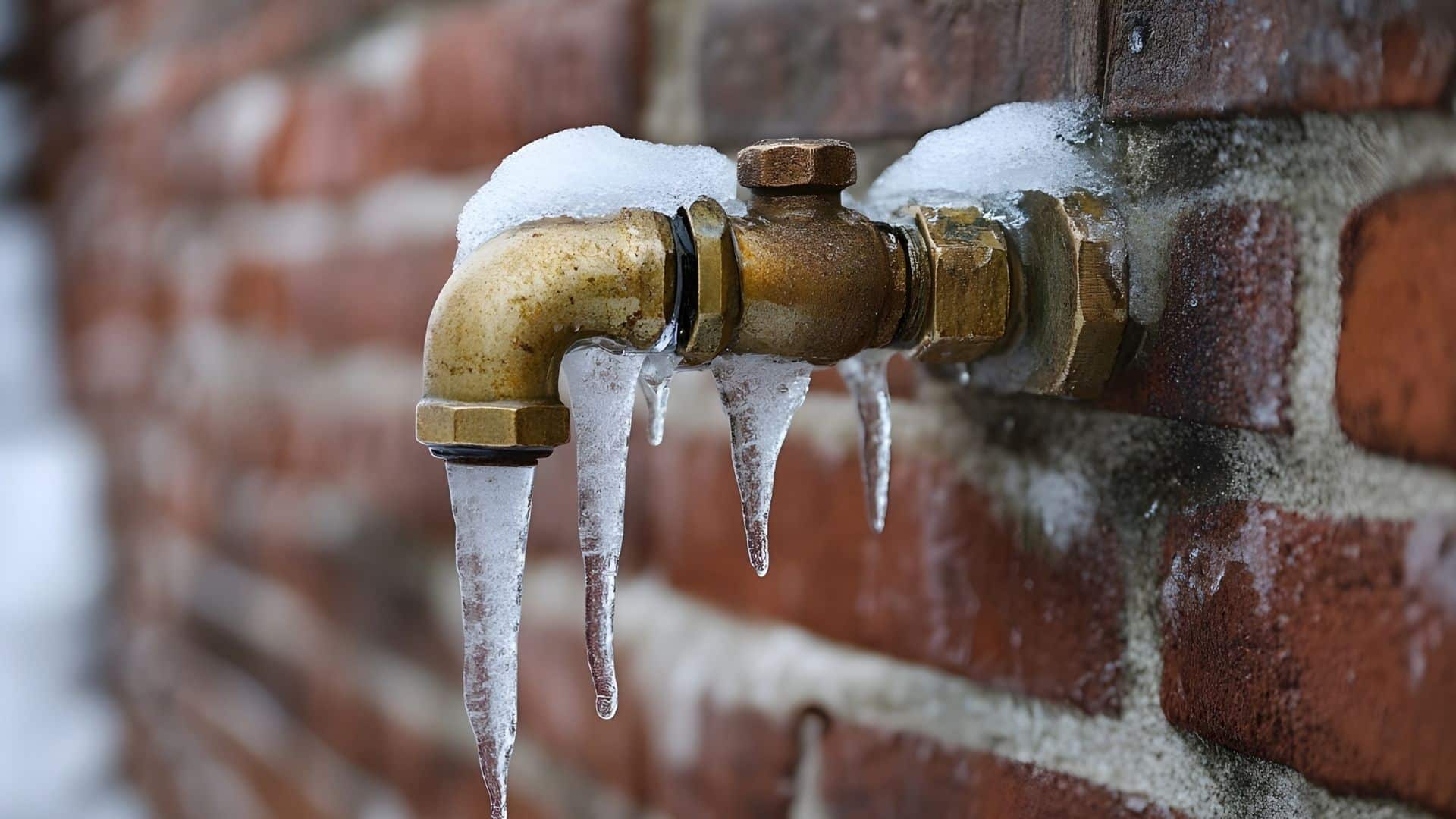
Should You Leave Faucets Dripping During Extreme Cold to Prevent Frozen Pipes?
When temperatures drop into the teens and below, many homeowners ask the same question: should you leave faucets dripping during extreme cold? You’ve probably heard this advice before, but not everyone understands why it works, when it’s necessary, or which faucets actually need to drip.
In areas like western Pennsylvania, where prolonged freezing temperatures are common in winter, understanding how cold weather affects your plumbing system can help prevent frozen or burst pipes—and costly water damage. Below, our plumbing experts break down when dripping faucets helps, when it doesn’t, and what else you should be doing during extreme cold.
Should You Leave Faucets Dripping During Extreme Cold?
The short answer is: sometimes—yes.
Leaving certain faucets dripping during extreme cold can help reduce the risk of frozen pipes, but it’s not a one-size-fits-all solution.
Dripping faucets works by:
-
Relieving pressure inside the pipes
-
Allowing water to keep moving instead of sitting still
-
Reducing the chance of ice buildup inside vulnerable sections of plumbing
However, dripping the wrong faucets—or relying on dripping alone—can create a false sense of security. Let’s look at when it actually helps.
When Dripping Faucets Is a Good Idea
Dripping faucets is most effective when specific risk factors are present. Homeowners should consider dripping faucets during extreme cold if any of the following apply:
Pipes Are in Unheated or Poorly Insulated Areas
-
Plumbing located in basements, crawl spaces, garages, or exterior walls
-
Pipes running through cabinets against outside walls
-
Older homes with limited insulation
Temperatures Are Below Freezing for Extended Periods
-
Overnight lows below 20°F
-
Daytime temperatures staying below freezing
-
Multiple days of sustained cold without warming
You’ve Had Frozen Pipes Before
-
Previous freeze-ups indicate vulnerable pipe locations
-
Certain lines may need ongoing protection during cold snaps
In these situations, leaving faucets dripping during extreme cold can help prevent pressure buildup if ice begins to form.
Which Faucets Should You Let Drip?
Not every faucet needs to drip. Focus on the ones connected to pipes most at risk.
Faucets to Prioritize
-
Faucets on exterior walls
-
Kitchen or bathroom sinks located against outside walls
-
Laundry or utility sinks near garages or basements
-
Lines supplying outdoor hose bibs (after hoses are disconnected)
How Much Should They Drip?
-
A slow, steady drip is enough
-
You don’t need a full stream
-
Both hot and cold lines may need attention in severe cold
When Dripping Faucets Is Not Enough
One of the biggest misconceptions is that dripping faucets alone will fully protect your plumbing. Unfortunately, that’s not always true.
Dripping faucets may not prevent freezing if:
-
Pipes are completely uninsulated
-
Doors or cabinets are closed, blocking warm air
-
The home loses heat due to power outages
-
Temperatures drop well below zero
In these cases, additional steps are critical.
Other Important Steps to Prevent Frozen Pipes
To truly protect your plumbing during extreme cold, dripping faucets should be combined with other preventive measures.
Keep Warm Air Circulating
-
Open cabinet doors under sinks
-
Allow warm air to reach pipes
-
Keep interior doors open where plumbing runs through walls
Maintain Consistent Indoor Heat
-
Keep your thermostat set consistently day and night
-
Avoid turning heat down too low overnight
-
Ensure all living areas receive heat
Insulate Vulnerable Pipes
-
Use foam pipe insulation sleeves
-
Wrap exposed pipes in crawl spaces or basements
-
Seal cracks near pipes where cold air enters
Disconnect Outdoor Hoses
-
Remove and drain garden hoses
-
Shut off exterior water lines if possible
-
Close interior shutoff valves to outdoor spigots
Can Pipes Still Burst Even If Faucets Are Dripping?
Yes—and this is important to understand.
Pipes usually burst after they thaw, not while frozen. Ice expands inside the pipe, increasing pressure. If there’s no room for expansion, the pipe can crack. When the ice melts, water escapes through the damaged area.
Dripping faucets helps reduce pressure, but it doesn’t guarantee protection—especially in extreme or prolonged cold.
Signs a Pipe May Be Frozen
If you’re unsure whether freezing has already occurred, watch for these warning signs:
-
Little or no water coming from a faucet
-
Frost visible on exposed pipes
-
Unusual sounds when turning faucets on
If you suspect a frozen pipe, it’s best to act quickly and carefully.
What Not to Do with Frozen Pipes
Avoid these common mistakes that can make damage worse:
-
Do not use open flames or torches
-
Do not crank water pressure suddenly
-
Do not ignore slow leaks after thawing
-
Do not assume the problem fixed itself
Improper thawing can cause pipes to burst or create hidden leaks inside walls.
When to Call a Professional Plumber
If you’re dealing with repeated freeze-ups, low water pressure, or suspected pipe damage, it’s time to call a professional.
A licensed plumber can:
-
Safely thaw frozen pipes
-
Identify vulnerable plumbing areas
-
Repair cracks or leaks before major damage occurs
-
Recommend long-term winterization solutions
When extreme cold hits, quick action can save thousands in repairs.
So, Should You Leave Faucets Dripping During Extreme Cold?
Yes—when it’s done strategically and combined with other preventive steps.
Dripping faucets is a helpful tool, but it works best as part of a broader cold-weather plumbing plan. Understanding your home’s plumbing layout and addressing weak points ahead of time can make all the difference during harsh winter conditions.
If you’re unsure which pipes are most at risk or want help protecting your plumbing system this winter, professional guidance can provide peace of mind when temperatures plunge.