



The 3 Most Common AC Repairs We See Every Spring
As temperatures start to rise, spring AC repairs become one of the most common service calls we see. After months of sitting idle, air conditioning systems often show signs of wear the moment they’re turned back on. For many homeowners, that first warm day is when hidden issues finally surface.
Understanding the most common spring AC repairs—and what causes them—can help you catch small problems early, avoid unexpected breakdowns, and keep your system running efficiently as the season changes.
Below are the three issues we consistently see every spring and what’s typically behind them.
1. Failed Capacitors
One of the most frequent spring AC repairs involves a failed or weakened capacitor. This small but essential component helps your system start up and continue running properly.
What Does a Capacitor Do?
Your AC system actually has multiple capacitors that store and release electrical energy to power the compressor and fan motors. Without a functioning capacitor, your system may struggle to start—or fail entirely.
Why Capacitors Fail in Spring
Capacitors naturally degrade over time, but several factors make spring a prime time for failure:
-
Temperature fluctuations: Cold winter conditions followed by warming temperatures can stress internal components
-
Age and wear: Many capacitors weaken gradually and fail when the system is finally used again
-
Power surges: Winter storms and electrical fluctuations can damage capacitors without obvious signs
Signs of a Bad Capacitor
-
AC unit won’t turn on
-
Humming noise from the outdoor unit
-
System starts and shuts off quickly
-
Weak or inconsistent airflow
Capacitor issues are one of the most common spring AC repairs because they often go unnoticed until the system is needed again. Fortunately, they are typically quick to diagnose and replace.
2. Worn or Pitted Contactors
Another common issue behind spring AC repairs in Pittsburgh, PA is a worn contactor. This component acts as a switch that controls the flow of electricity to your system’s major components.
What Is a Contactor?
When your thermostat signals the AC to turn on, the contactor closes to allow electricity to power the compressor and fan motor. Over time, this repeated electrical connection causes wear on the contact points.
Why Contactors Wear Out
Contactors are subject to normal wear and tear, but spring tends to reveal problems due to:
-
Inactivity during winter: Sitting unused can lead to corrosion or debris buildup
-
Electrical arcing: Each time the system turns on, small arcs of electricity can damage the contacts
-
Dust and debris: Outdoor units collect dirt and contaminants that affect performance
Signs of a Failing Contactor
-
AC won’t turn on consistently
-
Clicking sounds from the outdoor unit
-
System runs intermittently
-
Outdoor unit stays on while indoor system is off
Because contactors control power flow, failure can prevent your system from running at all. That’s why they’re one of the most frequent spring AC repairs technicians encounter early in the season.
3. Clogged Condensate Drain Lines
Clogged drain lines are another major contributor to spring AC repairs—and one that many homeowners don’t expect.
What Does the Drain Line Do?
As your AC cools your home, it removes humidity from the air. That moisture collects and drains through a condensate line. If that line becomes clogged, water has nowhere to go.
Why Drain Lines Clog in Spring
Several seasonal factors make this a common issue:
-
Algae and mold growth: Moisture sitting in the line over time can lead to buildup
-
Dust accumulation: Debris from winter can combine with moisture to create blockages
-
Increased usage: Once the system starts running regularly, any existing clog quickly becomes noticeable
Signs of a Clogged Drain Line
-
Water pooling near your indoor unit
-
Musty or moldy odors
-
AC system shutting off unexpectedly
-
Increased indoor humidity
Clogged drain lines are one of the more preventable spring AC repairs, but they can cause significant issues if left untreated, including water damage and system shutdowns.
Why These Spring AC Repairs Are So Common
There’s a clear reason these three issues dominate spring AC repairs: your system has been sitting idle for months.
During winter, your AC isn’t running, but that doesn’t mean it’s unaffected. Components continue to age, moisture can accumulate, and electrical parts can degrade. When the system is finally turned back on, those weaknesses quickly become visible.
Spring essentially acts as a “stress test” for your air conditioning system.
What Homeowners Can Do to Reduce Spring AC Repairs
While some repairs are unavoidable, there are a few simple steps homeowners can take to reduce the likelihood of needing spring AC repairs:
Turn Your System On Early
Don’t wait until the first hot day. Testing your AC early in the season gives you time to address issues before demand peaks.
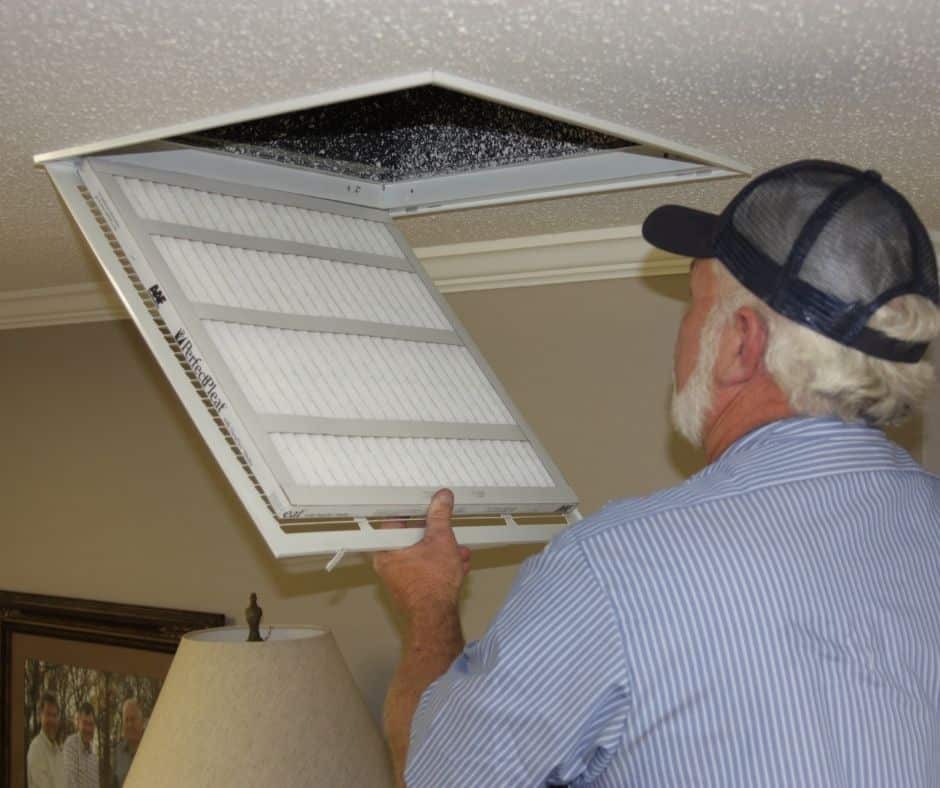
Change Your Air Filter
A clean filter helps your system run more efficiently and reduces strain on key components.
Clear Debris Around the Outdoor Unit
Leaves, dirt, and debris can affect airflow and contribute to system issues.
Schedule Routine Maintenance
Professional maintenance helps identify weak components—like capacitors and contactors—before they fail completely.
The Value of Catching Problems Early
Most spring AC repairs start as small issues that worsen over time. A weak capacitor, a slightly worn contactor, or a partially clogged drain line may not cause immediate failure—but they can quickly lead to larger, more expensive problems if ignored.
Addressing these issues early helps:
-
Prevent unexpected breakdowns
-
Improve energy efficiency
-
Extend the lifespan of your system
-
Maintain consistent comfort in your home
Final Thoughts on Spring AC Repairs
Spring AC repairs are incredibly common, but they’re also predictable. Year after year, the same issues tend to surface—failed capacitors, worn contactors, and clogged drain lines.
By understanding what causes these problems and knowing what signs to look for, homeowners can take a more proactive approach to their HVAC system.
If your AC hasn’t been turned on yet this season, now is the perfect time to test it. Catching a problem early is always easier than dealing with a breakdown on the first hot day of the year.