



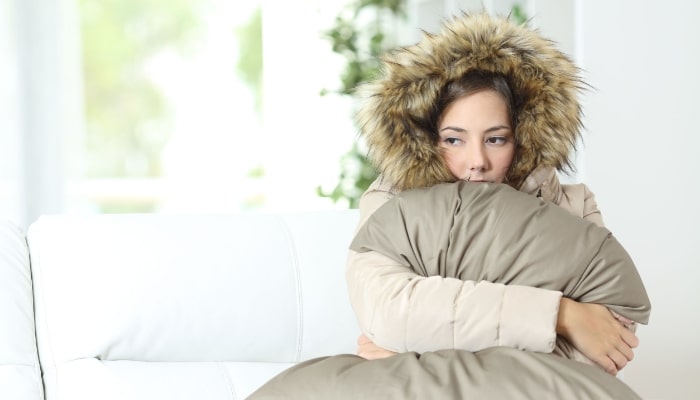
Winter-Proofing Your Pittsburgh Home: A Local Tech’s Guide to Surviving the Cold Months
December’s here, and if you’ve lived in Pittsburgh long enough, you know what that means—furnaces working overtime, pipes at risk, and that first real cold snap that tests every weak point in your home. I’ve been running service calls across the Steel City for years, and let me tell you, the homes that make it through winter without emergency calls are the ones where homeowners took a few hours in early winter to prepare.
After spending this past week responding to frozen pipes in Squirrel Hill and furnace failures in the North Hills, I figured it’s time to share what I see every season and how you can avoid becoming another emergency call at 2 AM.
Your Furnace: Don’t Wait Until It Quits
Here’s the thing about furnaces—they don’t usually fail on a mild 50-degree day in October. They fail when it’s 15 degrees outside and you’ve got family coming for the holidays. I can’t tell you how many times I’ve shown up to a home where the furnace gave out, and the homeowner says, “It was making a weird noise for a few weeks, but I figured it would be fine.”
If your furnace is making unusual sounds—banging, screeching, or rumbling—that’s your system telling you something’s wrong. Same goes if you’re noticing uneven heating, where the second floor is roasting but the first floor feels like a walk-in cooler. These are signs your system is struggling.
The most common issue I see this time of year is a dirty flame sensor or a failing igniter. Both are relatively inexpensive fixes if you catch them early, but if you wait until the system shuts down completely, you might be looking at a no-heat situation right when you need warmth most. Get your system checked now while technicians like me aren’t running 12-hour days in the freezing cold.
And please, please change your furnace filter. I pull filters out of systems that look like they’ve been there since the Steelers’ last Super Bowl win. A clogged filter makes your furnace work harder, increases your energy bills, and can actually cause the system to overheat and shut down. Check it monthly during winter, and if it looks dirty, swap it out. This is the easiest maintenance task you can do yourself.
Protecting Your Pipes: The Pittsburgh Freeze Factor
Pittsburgh winters are unpredictable. We might have a week in the 40s, then suddenly drop to single digits overnight. That’s when pipes burst, and trust me, there’s no worse plumbing emergency than coming home to a flooded basement or water pouring through your ceiling.
The most vulnerable pipes are in exterior walls, crawl spaces, attics, and unheated garages. If you’ve got pipes in these areas, they need insulation. Foam pipe insulation is cheap and easy to install—you can pick it up at any hardware store and wrap it yourself in an afternoon. Pay special attention to pipes near exterior walls, especially on the north side of your home where sunlight doesn’t help keep things warm.
For outdoor hose bibs and spigots, disconnect your hoses now if you haven’t already. Any water left in the line can freeze and crack the pipe inside your wall, which is an expensive repair. If you’ve got frost-free hose bibs, make sure the interior shutoff valve is closed and drain the line.
Here’s a trick I tell all my customers: know where your main water shutoff is, and make sure everyone in your household knows too. If a pipe does burst, every second counts. The faster you can shut off the water, the less damage you’ll have. I’ve seen thousands of dollars in damage happen because someone couldn’t find the shutoff valve in a panic.
During extreme cold snaps, let your faucets drip slightly—especially faucets on exterior walls. Moving water is much harder to freeze than standing water. It might add a few dollars to your water bill, but that’s nothing compared to the cost of repairing burst pipes and water damage.
Space Heater Safety: A Serious Concern
With energy costs up, I’m seeing more folks supplementing their heat with space heaters, and I get it—closing off unused rooms and using a space heater makes economic sense. But I’ve also responded to calls where space heaters created dangerous situations.
Never run a space heater on an extension cord. These units pull serious amperage, and extension cords can overheat and create a fire hazard. Plug them directly into wall outlets, and don’t run anything else on that circuit if you can help it. Keep them at least three feet away from anything flammable—curtains, furniture, bedding, papers.
And here’s something most people don’t think about: space heaters put extra demand on your home’s electrical system. If you’re constantly tripping breakers when running a space heater, that’s a sign your electrical system might need an upgrade or inspection. Don’t ignore it.
Water Heater Maintenance: The Forgotten Appliance
Your water heater works harder in winter because the incoming water temperature is significantly colder. Most homeowners never think about their water heater until there’s no hot water, but a little maintenance goes a long way.
If your water heater is over 10 years old and you’re noticing rusty water, strange noises, or it’s not heating water as efficiently as it used to, start budgeting for a replacement. Water heaters don’t last forever, and you don’t want it to fail in January when every plumber in Pittsburgh is backed up with emergency calls.
At minimum, drain a few gallons from the tank once a year to flush out sediment that accumulates at the bottom. This sediment reduces efficiency and can cause premature failure. It’s a simple task that takes 15 minutes and can extend the life of your unit.
The Bottom Line: Prevention Beats Emergency Calls
Look, I make my living off emergency calls, but honestly, I’d rather see Pittsburgh homeowners stay comfortable all winter than deal with preventable crises. The homes that sail through winter without issues are the ones where somebody took a Saturday in early December to check things over, change filters, insulate pipes, and make sure systems are running right.
Winter in Pittsburgh is demanding on your home’s systems. The freeze-thaw cycles, the lake-effect moisture, the temperature swings—it all adds up. But with some basic preparation and maintenance, your home can handle whatever winter throws at it.
If you’re hearing unusual sounds from your furnace, seeing uneven heating, or just want peace of mind before the real cold hits, give us a call at Pittsburgh’s Best Plumbing Heating and Air. We’d rather help you prevent problems now than see you on an emergency call later.
Stay warm out there, Pittsburgh.